




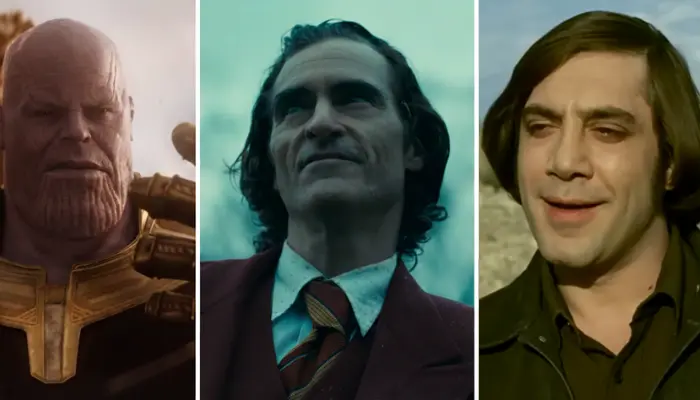
Not all villains are evil just for the sake of it. In some films, the antagonist’s actions feel more logical, realistic, or even morally justified than the hero’s choices. These stories challenge the idea of good versus evil and force viewers to question who is actually right. This list of movies where the villain makes more sense than the hero highlights films that blur moral boundaries.
These villains aren’t driven by chaos alone, they’re shaped by pain, injustice, ideology, or hard truths that heroes often ignore. If you enjoy unconventional storytelling, you may also like our curated list of underrated movies to watch on OTT that deserve more attention.
1. Black Panther (2018)
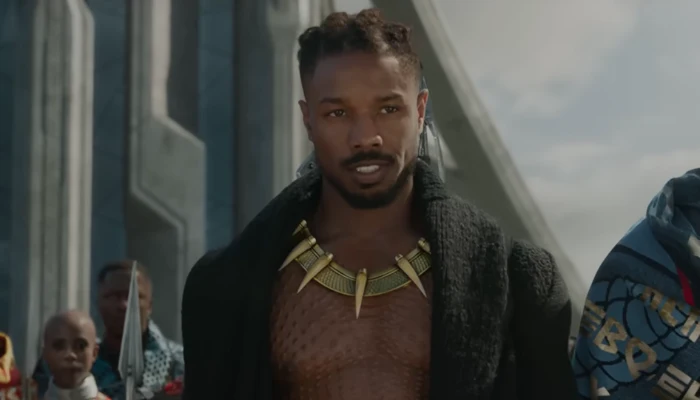
Erik Killmonger is labeled the villain, yet his anger comes from real injustice. Abandoned, betrayed, and shaped by oppression, his demand for Wakanda to help the oppressed feels morally grounded even if his methods are extreme.
Why the villain makes sense:
Killmonger identifies a real global problem that the hero initially avoids confronting.
2. Avengers: Infinity War (2018)
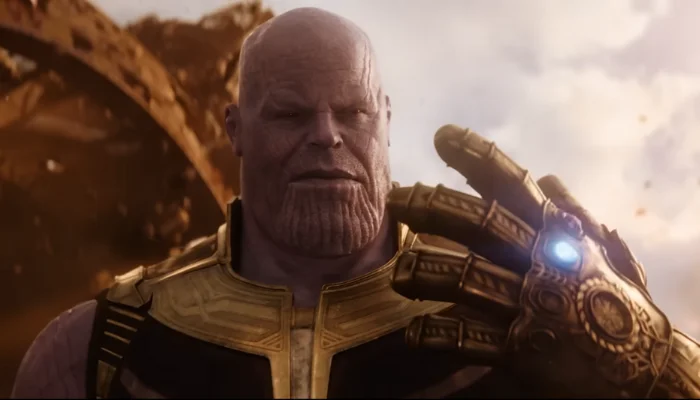
Thanos believes overpopulation will destroy the universe. His solution is brutal, but his logic follows a twisted sense of balance and sacrifice. Unlike typical villains, he truly believes he’s saving everyone.
Why the villain makes sense:
Thanos acts with consistency, conviction, and personal sacrifice, qualities missing in many heroes.
3. Watchmen (2009)

Adrian Veidt engineers a massive catastrophe to prevent nuclear war. His actions are horrifying, but they successfully stop global destruction. The heroes oppose him, yet fail to offer a better solution.
Why the villain makes sense:
He chooses the lesser evil to prevent total annihilation.
4. The Dark Knight (2008)
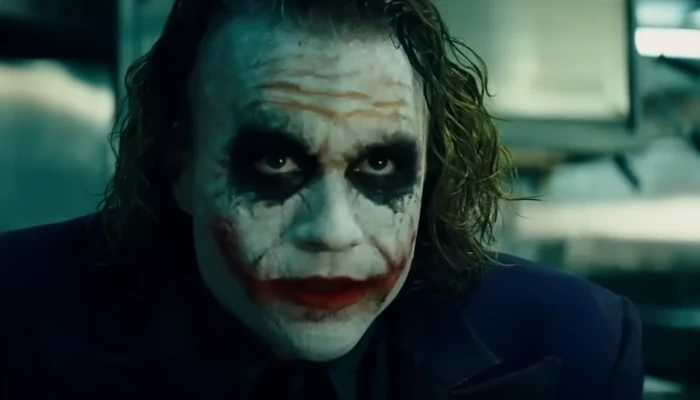
The Joker exposes the hypocrisy of society and questions the illusion of order. While Batman fights crime symbolically, the Joker forces people to reveal who they really are under pressure.
Why the villain makes sense:
He doesn’t lie about the chaos; he reveals it.
5. Gone Girl (2008)

Amy Dunne manipulates public perception with terrifying precision. While her actions are extreme, the film subtly exposes the emotional neglect and hypocrisy she endures.
Why the villain makes sense:
She plays the same games society expects from her, just more intelligently.
6. Joker (2019)
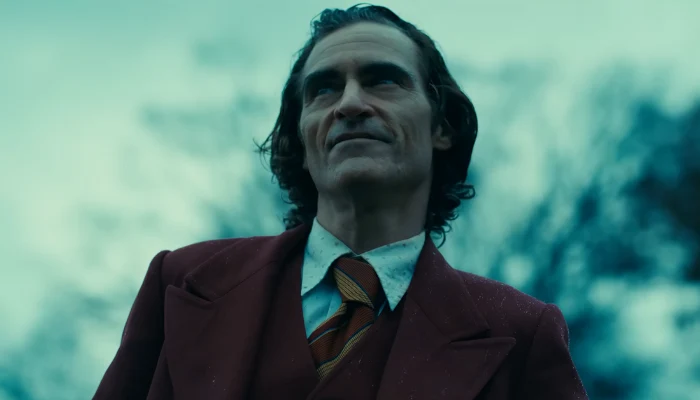
Arthur Fleck’s transformation into the Joker is rooted in systemic neglect, mental illness, and social cruelty. The world fails him long before he turns violent.
Why the villain makes sense:
The system creates the monster it later condemns.
7. Law Abiding Citizen (2009)
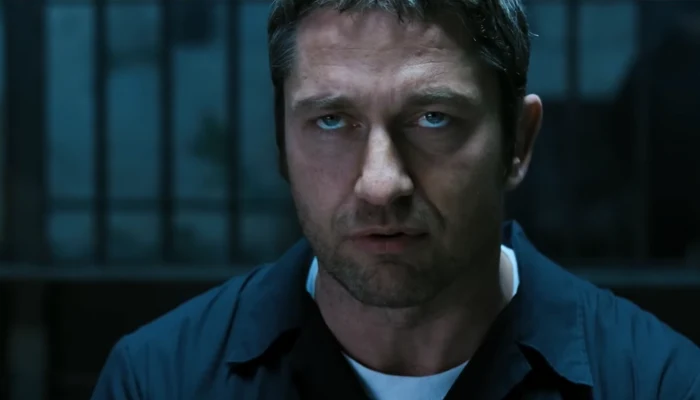
Clyde Shelton seeks justice after the legal system fails his murdered family. The hero defends law and order, but Clyde exposes how flawed and negotiable justice can be.
Why the villain makes sense:
He demands accountability in a system built on compromise.
8. No Country for Old Men
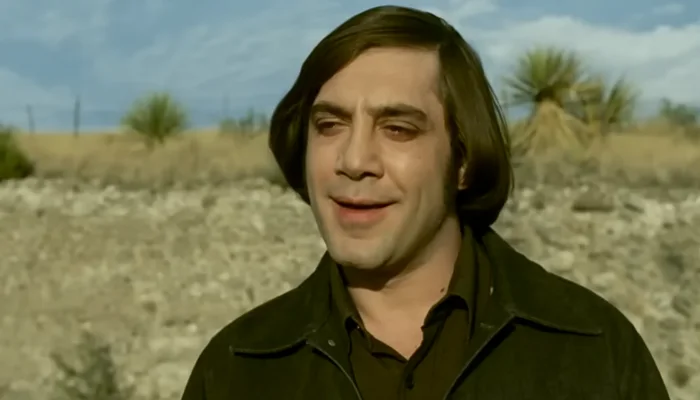
Anton Chigurh follows a strict personal code. He doesn’t pretend to be good, but he is consistent. The heroes, meanwhile, struggle to understand or stop him.
Why the villain makes sense:
He represents inevitability rather than evil.
Final Thoughts
Cinema becomes more powerful when it stops giving easy answers. These movies where the villain makes more sense than the hero, challenge viewers to think beyond traditional morality. They remind us that perspective matters—and sometimes, the so-called villain is just asking the questions no hero wants to answer.
If a film makes you uncomfortable about who you’re rooting for, it’s probably doing something right.
FAQs
A: It means the villain’s motives feel logical, realistic, or emotionally justified compared to the hero’s actions, even if their methods are wrong.
A: Many viewers consider Avengers: Infinity War and Joker as films where the villain’s reasoning feels disturbingly logical due to social and systemic failures.
A: Yes. Such films often spark discussion, debate, and repeat viewing because they challenge viewers to question morality and perspective.