



Have you ever watched a film and felt a strong emotion without knowing exactly why? Maybe a room seemed suffocating, a character looked powerful before they even spoke, or a scene felt like a timeless fairy tale. These effects don’t happen by accident- they are carefully created using the magic of mise-en-scène.
This French term may sound complex, but it’s one of the simplest yet most powerful concepts in cinema. Understanding it will completely change how you watch movies.
What is Mise-en-Scène in Film?
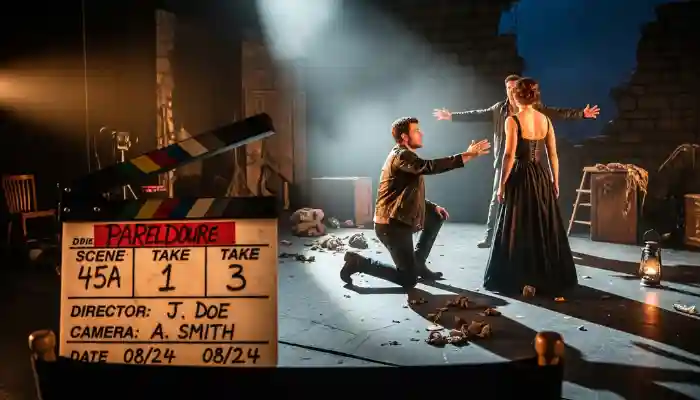
The phrase mise-en-scène translates to “placing on stage.” In filmmaking, it refers to everything you see on screen– the sets, props, costumes, lighting, color palette, and even the placement of actors within the frame.
Think of it as the visual language of cinema. Just as a script uses words to tell a story, mise-en-scène uses visuals to set the mood, define characters, and build worlds.
When a director pays close attention to mise-en-scène, every frame becomes meaningful. Instead of just filming actors speaking lines, the film becomes a living, breathing world where even the smallest detail matters.
Elements of Mise-en-Scène Explained
Mise-en-scène is made up of several interconnected elements. Each one contributes to how the audience interprets the scene.
1. Set and Props
The environment tells as much of the story as the characters do.
- A dusty, cluttered house in a thriller suggests secrets or a troubled past.
- A minimal, futuristic city in a sci-fi film shows order, technology, and control.
- A chaotic street market in a drama reflects energy, culture, and conflict.
Props can also carry symbolic weight. A broken mirror may suggest inner conflict, while a child’s toy in a crime scene can create emotional depth.
2. Costumes and Makeup
Wardrobe choices speak volumes without a single line of dialogue.
- A business suit signals power, wealth, or authority.
- Torn clothing shows vulnerability, struggle, or survival.
- Makeup can mark transformation- villains often have exaggerated features, while natural looks suggest innocence.
Costumes also anchor the film’s period and culture. A historical drama uses traditional garments, while a futuristic film might invent entirely new fashion.
3. Lighting and Color
Light sets the mood, and color builds emotion.
- Low-key lighting with heavy shadows creates suspense and fear.
- Warm golden tones make scenes nostalgic or romantic.
- Cool blue shades can suggest calmness, sadness, or detachment.
- Bold colors like red often represent danger, passion, or rebellion.
Directors use these techniques to manipulate how you feel without you realizing it.
4. Actor Blocking and Positioning
Where characters stand in the frame changes how we view them.
- A character centered in the frame appears dominant and important.
- A character off to the side looks weak, isolated, or vulnerable.
- Two characters placed close together suggest intimacy, while distance can imply conflict or emotional disconnect.
Blocking is subtle but powerful- often shaping relationships more strongly than dialogue.
Mise-en-Scène in Bollywood
Bollywood cinema is famous for its visual grandeur, and mise-en-scène plays a huge role in creating that impact.
Sanjay Leela Bhansali’s Visual Mastery
In films like Devdas and Bajirao Mastani, Bhansali uses majestic sets, rich fabrics, and intricate jewelry to amplify the emotional weight of his stories. The colors are symbolic—reds for love and danger, golds for power and tradition. Each frame feels like a moving painting.
Mumbai as a Character
Many Bollywood films turn Mumbai itself into a part of the mise-en-scène.
- Classic films like Deewaar used the city’s busy streets and docks to symbolize struggle and ambition.
- Modern films like Gully Boy show narrow lanes, graffiti, and stage lights to reflect rebellion, dreams, and identity.
The city isn’t just a backdrop- it’s a living part of the story.
Why Mise-en-Scène Matters in Filmmaking
Mise-en-scène is not just decoration- it’s storytelling. Here’s why it’s so important:
- Builds Atmosphere – Horror films use darkness and eerie sets to make audiences uneasy.
- Defines Characters – A single costume choice can reveal more about a character than dialogue.
- Guides Audience Emotions – Lighting and color subtly influence how we feel in each scene.
- Adds Symbolism – Props, colors, and actor placement create layers of meaning.
By mastering mise-en-scène, directors ensure their films connect on both visual and emotional levels.
How to Notice Mise-en-Scène as a Viewer
The next time you watch a film, pause for a moment and ask:
- What do the background objects tell me about the character?
- Does the lighting feel warm, cold, or threatening?
- How are the actors positioned—are they dominant, equal, or vulnerable?
- Do the colors in the frame carry symbolic meaning?
Once you start noticing these details, films become far richer and more fascinating.
Conclusion
So, what is mise-en-scène in film? It’s the hidden art of visual storytelling—the way directors use sets, lighting, costumes, props, and actor placement to shape emotions and meaning.
By paying attention to mise-en-scène, you’ll discover a whole new way of experiencing cinema. Films stop being just stories and become visual worlds where every frame speaks to you.
FAQs
Mise-en-scène means “placing on stage” and refers to everything in front of the camera—sets, props, costumes, lighting, and actor positioning.
It’s crucial because it builds atmosphere, defines characters, and visually communicates themes without words.
Yes. In Bajirao Mastani, Sanjay Leela Bhansali uses grand sets, bold colors, and symbolic costumes to reflect passion, conflict, and tradition.
Primarily, yes- but it also includes how visuals interact with performance and movement. It’s the overall staging of the film’s world.